
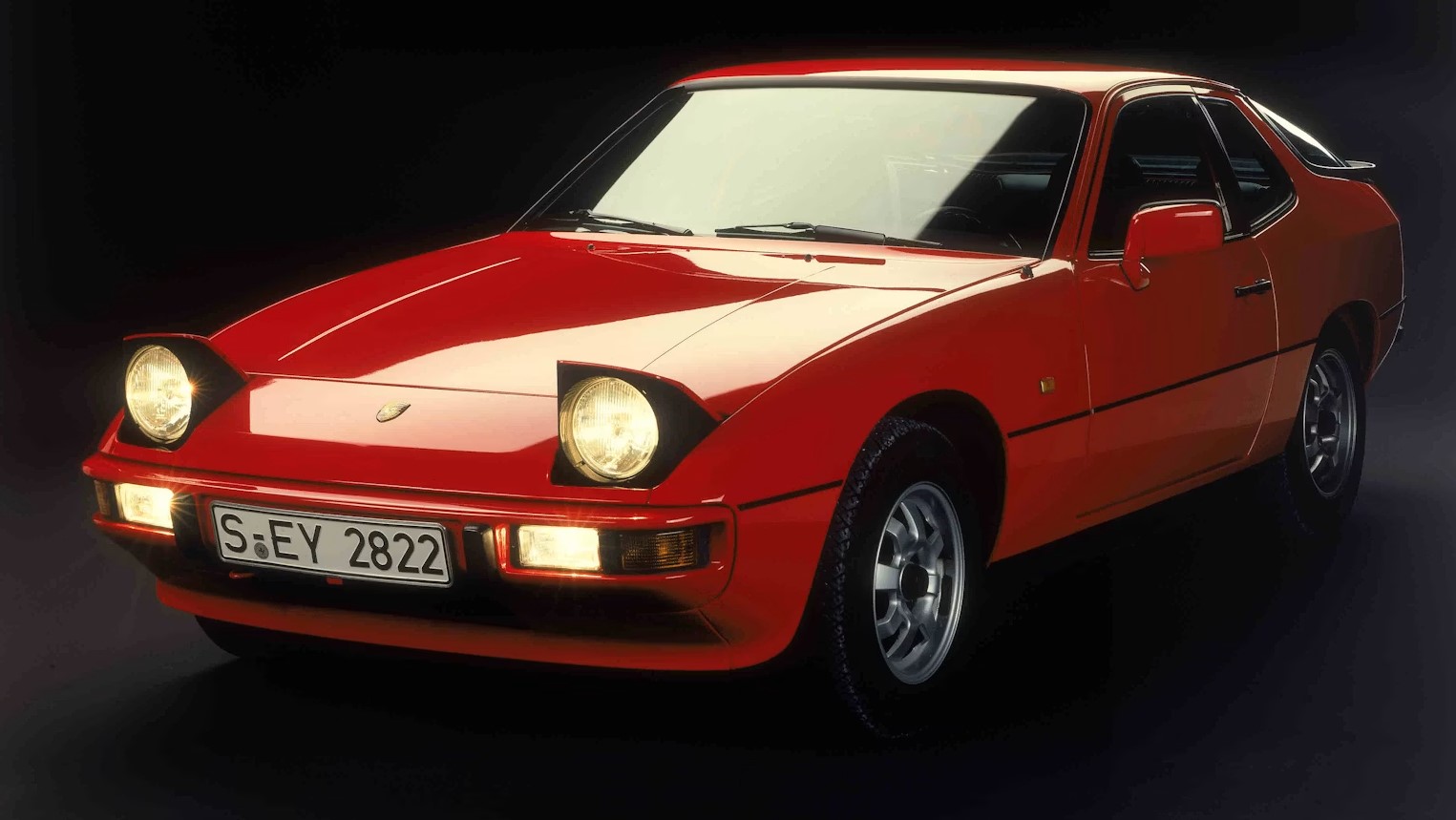
The Porsche 924 celebrates 50 years since its market launch this year. Although first unveiled to the public in November 1975, it did not go on sale until 1976. Initially met with mixed feelings, it gradually became one of the most interesting sports cars of its time and still holds a firm place among car enthusiasts.
When the Porsche 924 was first presented to journalists in southern France, many fans could not believe this was Porsche’s future. Until then, most people associated Porsche primarily with rear-mounted engines and air-cooled six-cylinder units. The newcomer instead had a front engine, water cooling and an entirely different design. For some, this was too great a departure from tradition.
How a Volkswagen project became the Porsche 924
The 924 story began at Volkswagen, rather than Porsche. In the early 1970s, Volkswagen sought a successor to the VW-Porsche 914 and commissioned Porsche to develop a new sports coupé. Designated EA425 (Project 425), the project was to use Volkswagen Audi group technology.
The oil crisis, a change in Volkswagen management and new corporate priorities intervened. Volkswagen withdrew and focused on other models. Porsche, however, had an almost finished car and decided to take over the entire project under its own brand. The resulting model later opened Porsche to new customers.
Different from every Porsche before it
The Porsche 924 pioneered many things. It was the first production Porsche with a front-mounted engine and the brand’s first production model with a liquid-cooled engine. The engineers also used a transaxle layout, with the gearbox at the rear axle. This produced almost ideal front-to-rear weight distribution, significantly benefiting its handling.
The transaxle layout later became the basis of an entire generation of Porsche sports cars. The 944 and 968 followed the 924 and developed this technical philosophy further.
This solution made handling one of the strongest arguments for the 924. Although the first versions offered modest power, the car won drivers over with precise steering, a balanced chassis and confident cornering.
Recognition it had to earn
The engine sparked the greatest debate. Some fans struggled to accept that the four-cylinder’s foundations came from Volkswagen Audi group technology. Many therefore argued that the Porsche 924 was not a “real Porsche”.
Over time, the car proved to offer exactly what most drivers expect from a sports car: driving pleasure. When more powerful Turbo, Carrera GT, Carrera GTS and Carrera GTR versions arrived, the model earned respect even among those who initially doubted it.
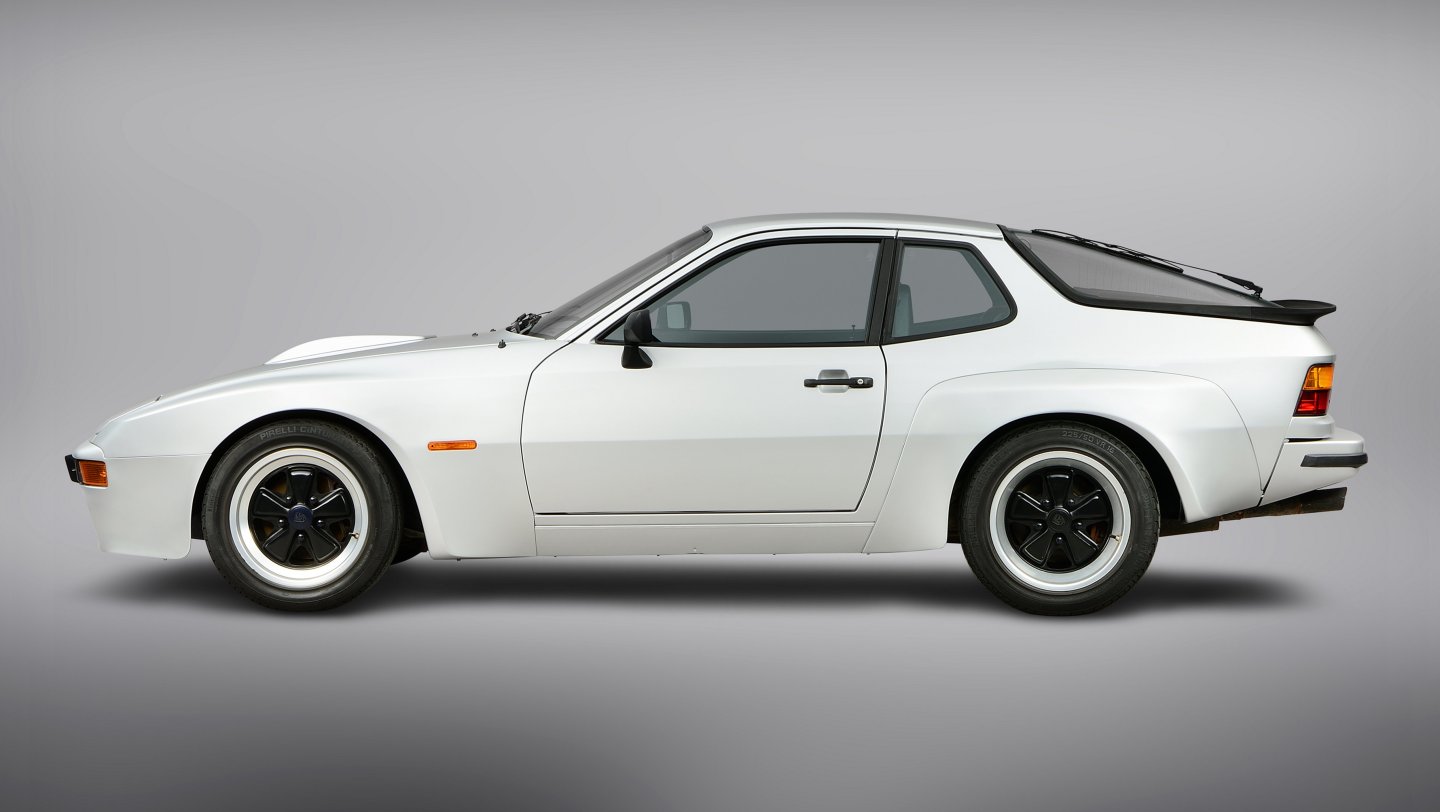
The Porsche 924 ultimately became one of the commercially most successful models of its time. More than 150 thousand cars were built over the years, helping the brand reach entirely new customers. For Porsche it meant both commercial success and an important step towards expanding its sports-car range.
What was once criticised as too different is now considered one of the most interesting chapters in the brand’s history.
From the road to Le Mans
The 924’s potential extended beyond everyday roads. Porsche also used it as the basis of racing cars, gradually introducing it to circuits and rallying. Competing in the famous 24 Hours of Le Mans endurance race became an important chapter, with racing versions proving that the transaxle layout could withstand motorsport’s toughest conditions.
Celebrate 50 years of the Porsche 924 with us
Today, the Porsche 924 attracts increasing attention from collectors and classic sports-car fans. It regularly appears at classic-car gatherings, exhibitions and automotive festivals, recalling a time when manufacturers explored new paths and dared to adopt bold solutions.
Celebrate this exceptional model’s 50th anniversary with us this year. The Porsche 924 will be present at SIXTOL Speed Festival, held on 11–13 September 2026 in Česká Lípa. Look forward to this iconic car and other automotive legends, together recalling the best of automotive history.
Photos: Porsche AG / Porsche Newsroom