
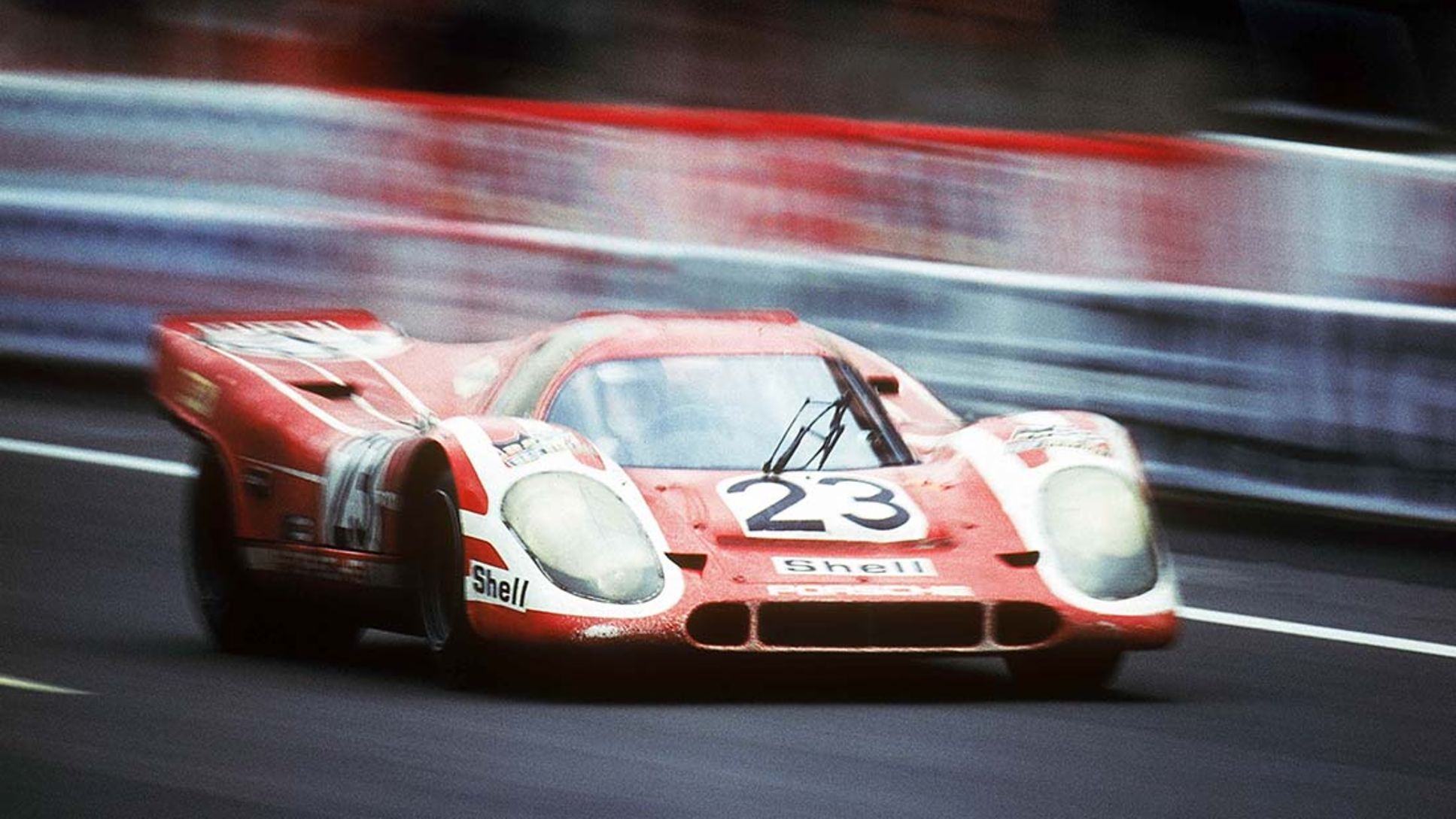
Mention Porsche today and most fans think of Le Mans, the 911 or one of its legendary racing cars. Few realise that one of world motorsport’s most successful stories began very modestly: without the most powerful engine, the biggest budget or any certainty that the Porsche name would one day be written in gold in the history books.
In 2026, Porsche marks 75 years since its first major motorsport success. This anniversary recalls not only dozens of victories, but above all the philosophy that made the brand a symbol of endurance, technical innovation and the courage to follow its own path.
From the lightweight 356 to the first major success
Porsche’s motorsport story began neither with enormous power nor a determination to beat every rival at any cost. It began with the lightweight Porsche 356 SL sports car, which lined up for the legendary 24 Hours of Le Mans in 1951. Auguste Veuillet and Edmond Mouche took the wheel, aiming above all to show that thoughtful design, low weight and reliability could matter just as much as engine power.
The result exceeded every expectation. Porsche won its class and laid the foundations of a motorsport tradition that continues today. That was when the philosophy that has accompanied the brand for three quarters of a century emerged. A racing car need not be the biggest or most powerful. It must be clever, light, reliable and last all the way to the finish.
Le Mans: the race that created a legend
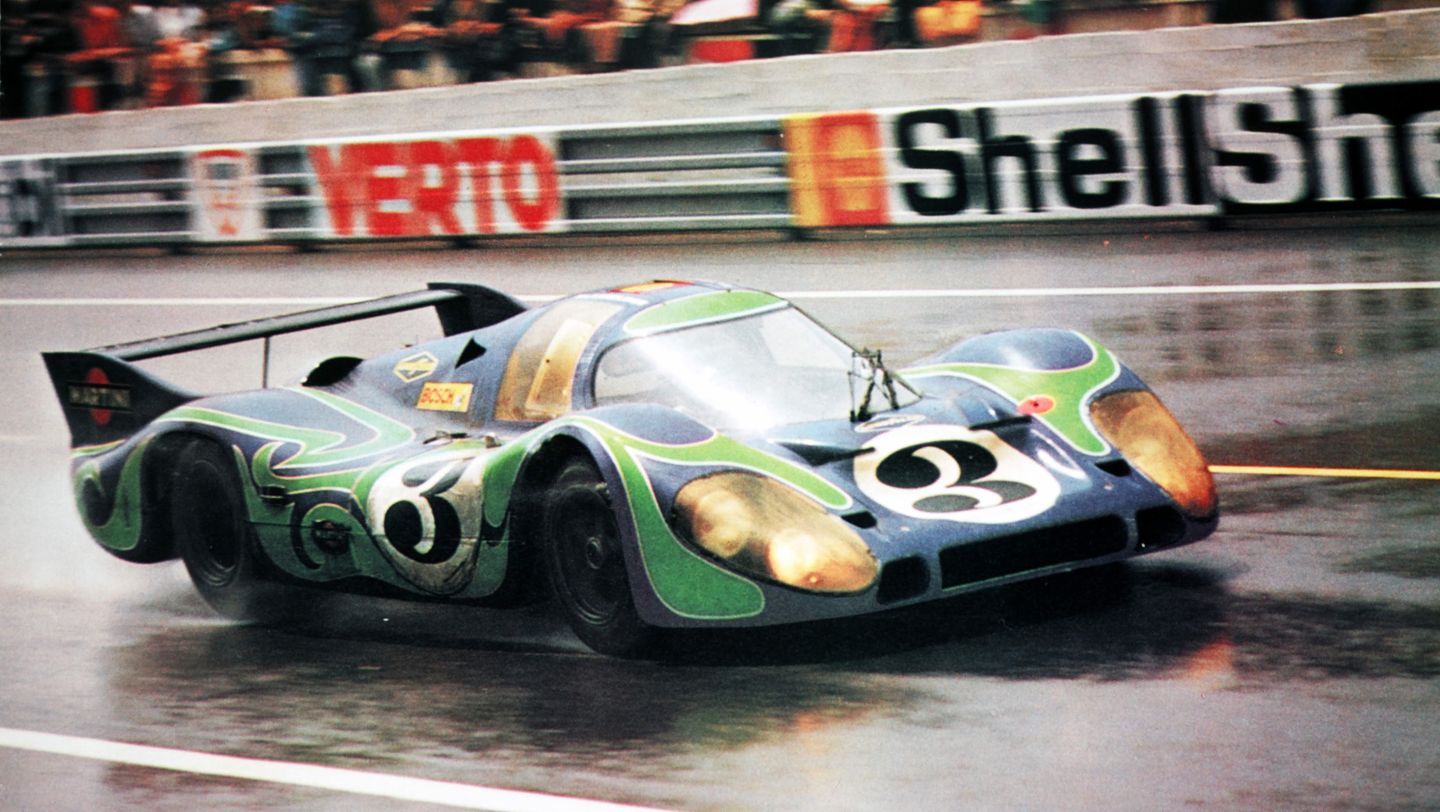
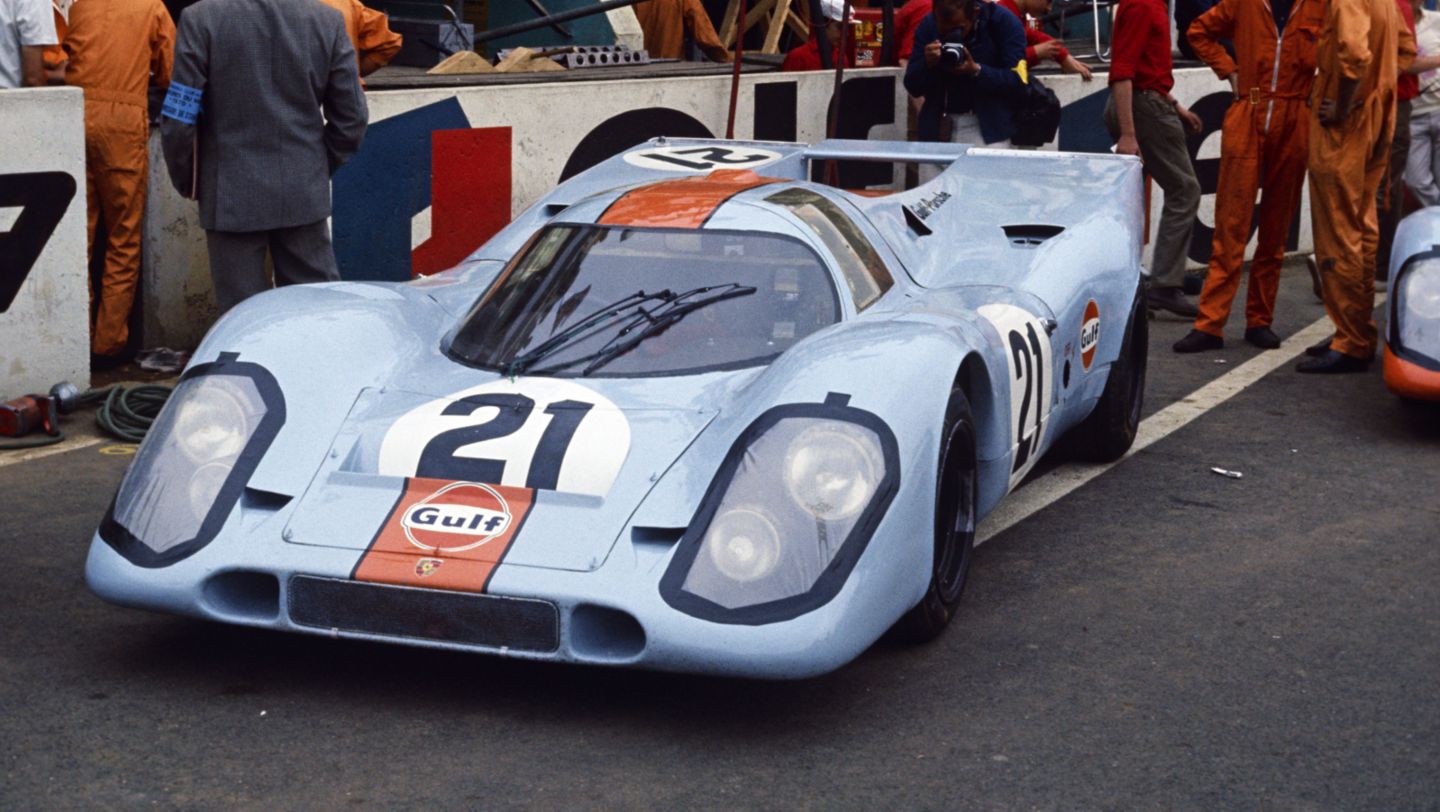
The first victory was only the beginning. In 1970 came the moment that changed Porsche history. The legendary Porsche 917 KH, driven by Hans Herrmann and Richard Attwood, claimed the brand’s first overall Le Mans victory. In less than twenty years, a small carmaker had become a manufacturer respected throughout the motorsport world.
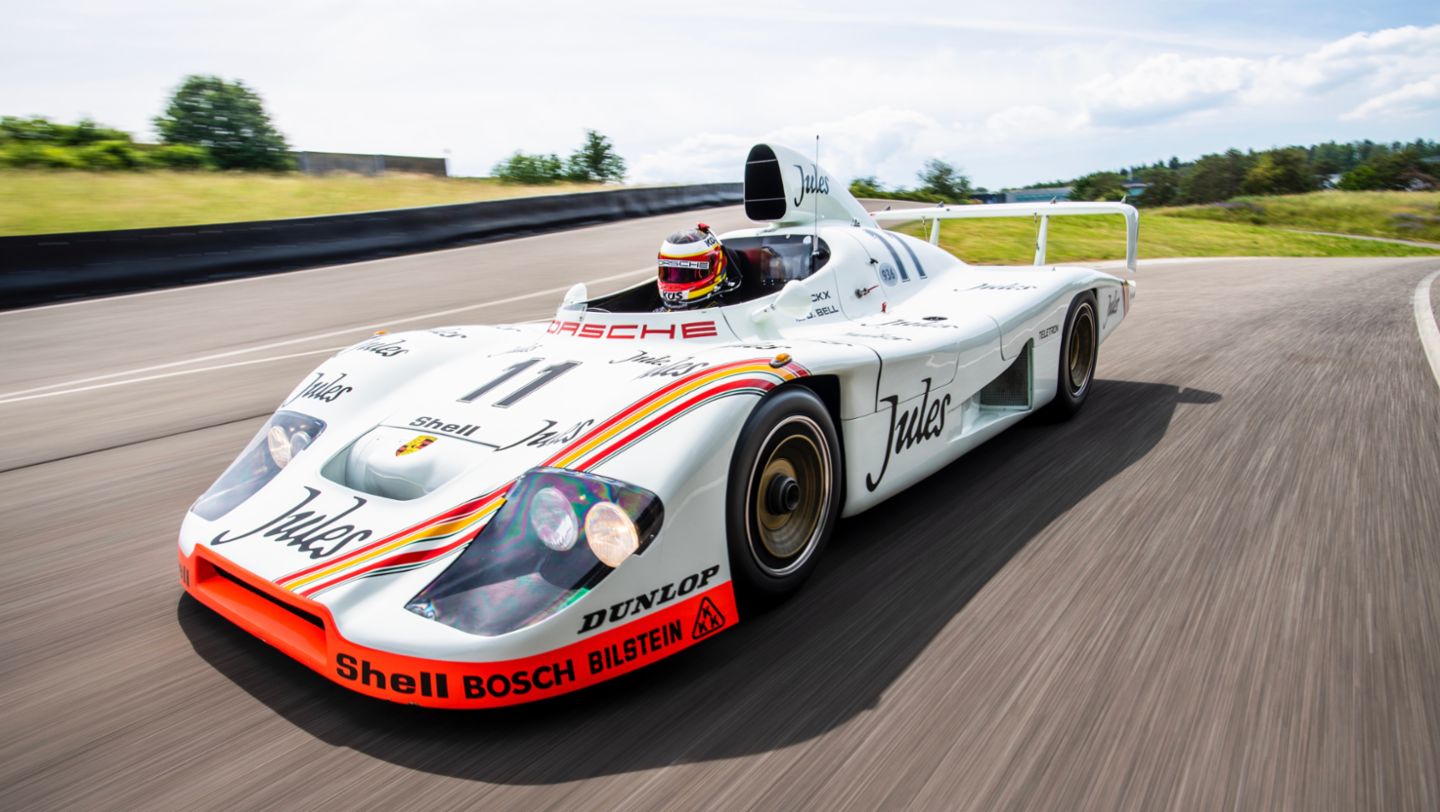
Other racing icons followed the 917. The Porsche 936 demonstrated the strength of turbocharged engines, while the 956 and 962 dominated the famous Group C era and remain among the most successful prototypes ever. From 1981 to 1987, Porsche achieved an extraordinary winning streak at Le Mans, still one of the race’s most memorable chapters. The modern era did not stop the brand either. The Porsche 919 Hybrid won Le Mans in 2015, 2016 and 2017, showing that Porsche could also win in the age of hybrid powertrains, energy recovery and increasingly complex racing technology.
Porsche also succeeded in rallying and at Dakar
Although most fans associate Porsche primarily with circuits, its racing history is far more varied. In the 1950s, the 550 Spyder was already proving its quality in legendary events such as the Carrera Panamericana and Targa Florio. Victory at the Targa Florio in 1956 showed that lightness, precise steering and reliability could be just as important as maximum power.
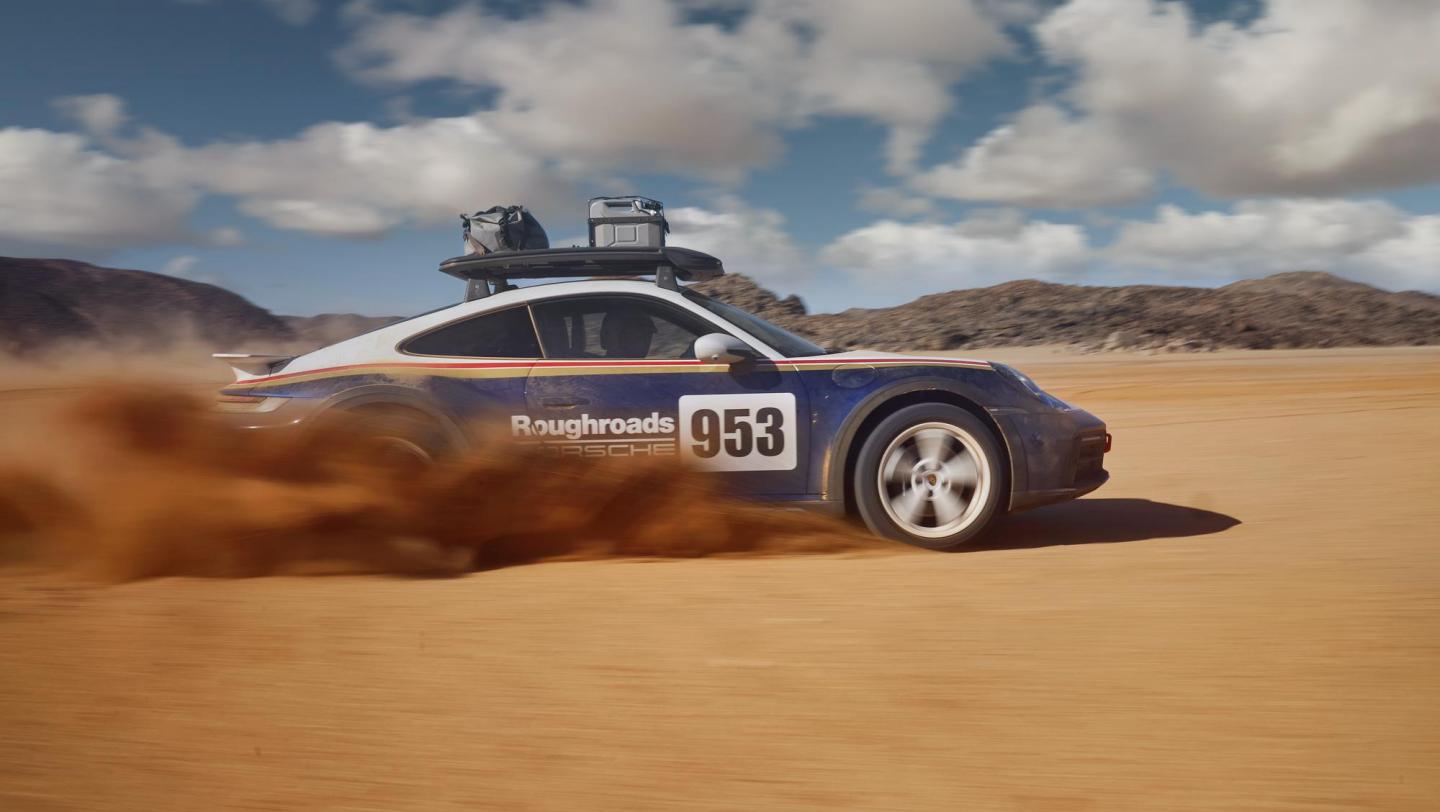
Rallying also became an important chapter. The Porsche 911 enjoyed success at the Monte Carlo Rally, and the brand also held its own in one of the world’s toughest events. In 1984 the Porsche 953 won the Paris–Dakar Rally; two years later the 959 added another triumph. This definitively confirmed that Porsche’s sporting DNA worked equally well on asphalt, gravel and African desert sand.
Porsche 911: a racing icon that outlasted every era
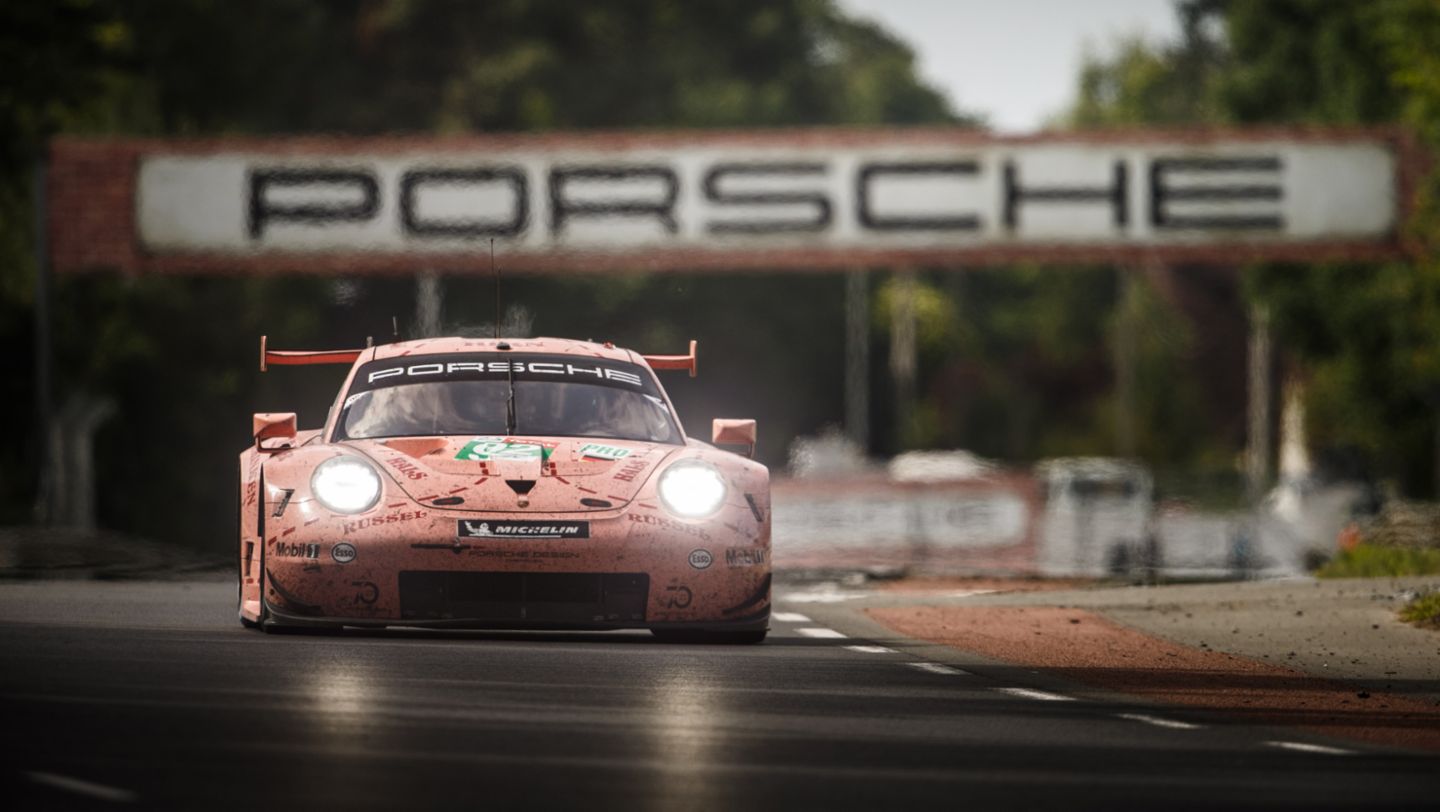
Few cars have become a symbol of motorsport like the Porsche 911. From the first rally cars through circuit-focused RSR versions to today’s GT3 and GT3 R, this model has accompanied racing for more than six decades. Its technology keeps evolving, but its character remains the same.
The Porsche 911 became the foundation of customer racing, club cups and professional GT championships worldwide. For many drivers it was their first real step into major motorsport; for fans it remains one of the most recognisable racing cars. The 911 perfectly illustrates Porsche’s philosophy: tradition and technical development do not conflict, but together form one long racing story.
When racing helps create better cars
For Porsche, motorsport has never been solely about victories and trophies. Testing new technologies was equally important. Turbocharging, aerodynamics, chassis, brakes, weight management and modern hybrid systems were all developed or refined in the extreme conditions of racing circuits before gradually reaching production cars.
This philosophy continues today. The modern Porsche 963 carries on the famous prototype tradition in the IMSA championship, and the brand is also making its mark in Formula E. Motorsport changes constantly, but one thing remains: for Porsche, racing is both a route to victory and a way to develop better cars for everyday roads.
Celebrate 75 years of Porsche motorsport at Speed Festival
Over the past 75 years, Porsche has shown that success does not happen by chance. From a modest class victory at Le Mans through the legendary 917, rally and Dakar triumphs to modern hybrid prototypes, every generation has followed the same idea: build a car that succeeds where details decide the outcome.
That is why the 75th anniversary of Porsche motorsport belongs at Speed Festival. The festival brings together historic cars, racing technology, modern supercars and stories of brands that changed the automotive world. Porsche is undoubtedly one of them.
Join us to commemorate 75 years of a brand that showed victories are about more than engine power. They come from the courage to offer new ideas, technology perfected down to the last detail and people who never stopped believing that even the seemingly impossible could become reality. We look forward to seeing you on 11–13 September.
Photos: Porsche Newsroom / Porsche AG