
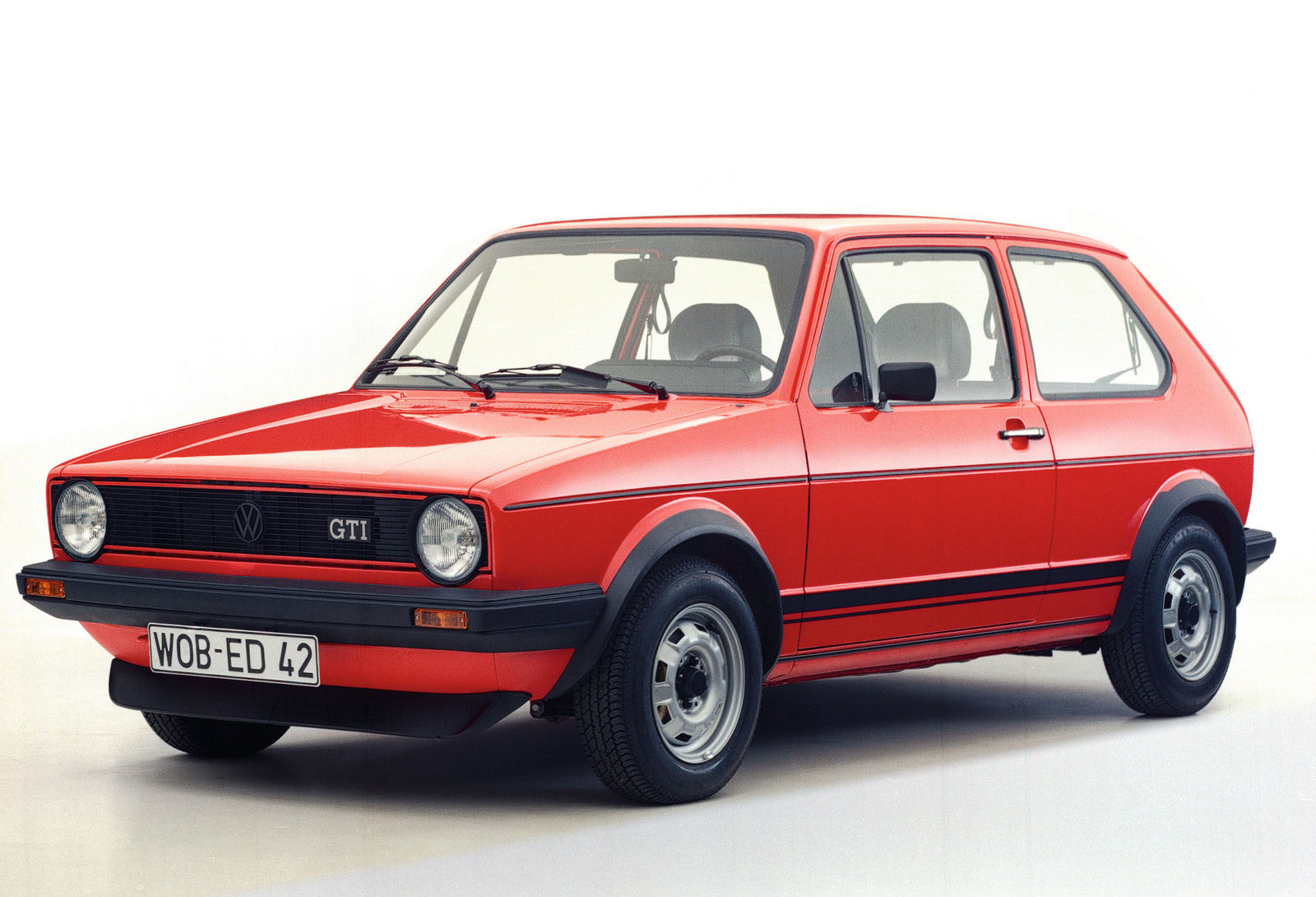
Originally, only five thousand were to be built. Volkswagen wanted to see whether there was any demand for a sporty version of the ordinary Golf. Nobody imagined that the three letters GTI would change the automotive world and create a category still synonymous with driving pleasure fifty years later.
In 2026 the Volkswagen Golf GTI celebrates 50 years since its market launch. A modest project by a few enthusiasts became one of the most successful sporty models ever and a car that inspired almost every manufacturer.
The sporty Golf that was never meant to exist
In the early 1970s, Volkswagen was seeking a successor to the legendary Beetle. The new Golf was to be more modern, more practical and accessible to a broad public. Company management, however, was less enthusiastic about making a sporty version.
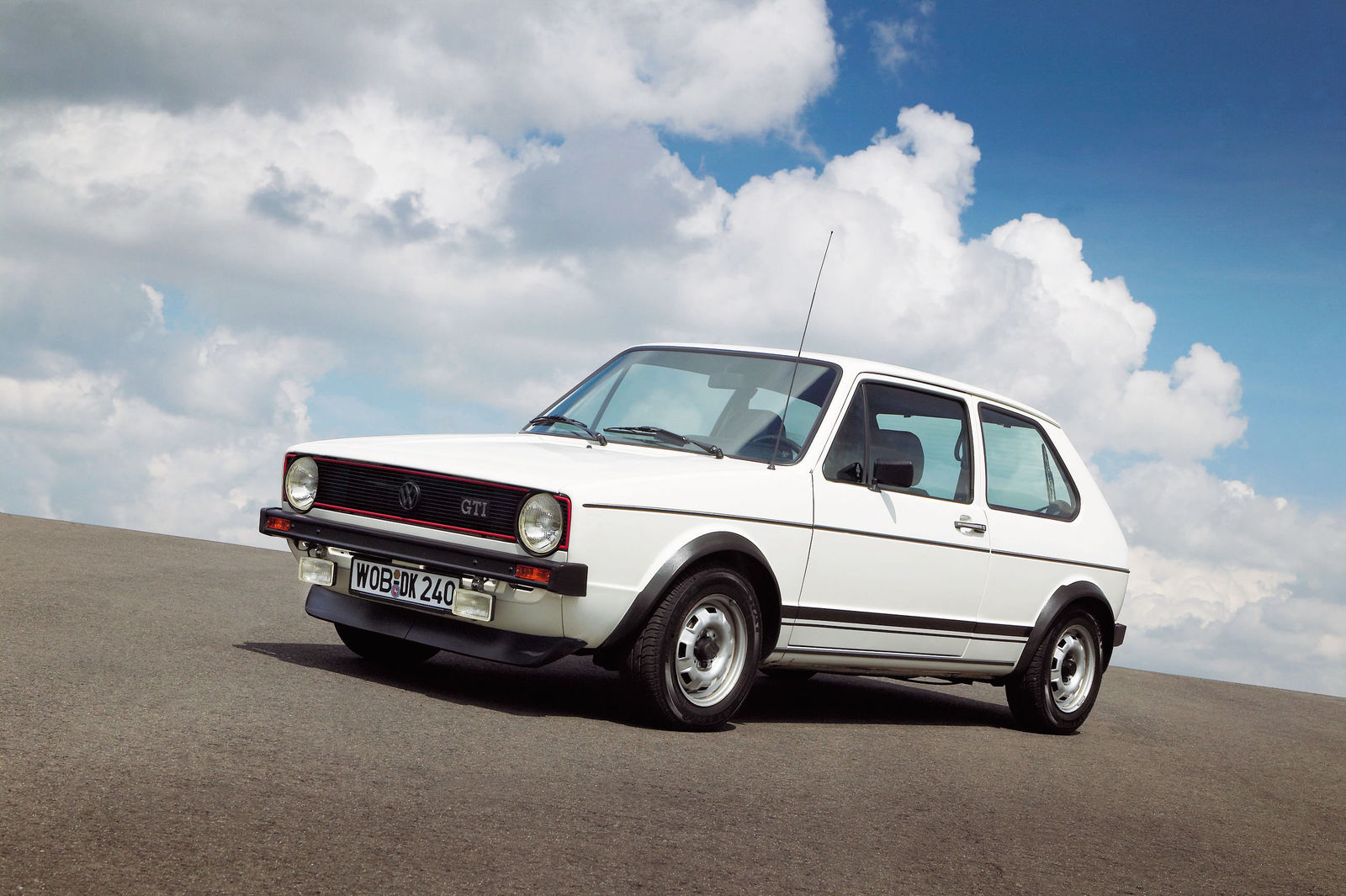
Nevertheless, a small internal project emerged, developed by a group of enthusiastic engineers. They aimed to create a light, nimble hatchback that offered driving pleasure while remaining an everyday car. The Golf GTI debuted at the Frankfurt Motor Show in 1975 and went on sale a year later.
Volkswagen originally planned to build around 5 000 cars. Customer demand exceeded expectations several times over, quickly turning a small project into a legend.
A simple recipe that still works
The first Golf GTI had a 1.6 four-cylinder engine with Bosch K-Jetronic fuel injection producing 110 horsepower. Its low weight delivered performance that could surprise even far more expensive sports cars at the time.
Its greatest strength, however, was not power alone. The GTI combined everyday practicality with real driving pleasure: taking children to school in the morning, travelling to work in the afternoon and enjoying a favourite country road at the weekend. This created the category we now know as hot hatches.
Its details became as iconic as its handling. The red outline around the grille, tartan seat upholstery and golf-ball gear knob gradually became hallmarks of every subsequent GTI generation.
A legend growing up
The first generation’s success meant one thing: the GTI had to continue. The second generation brought more space, greater power and better handling, confirming once and for all that this was no passing fashion.
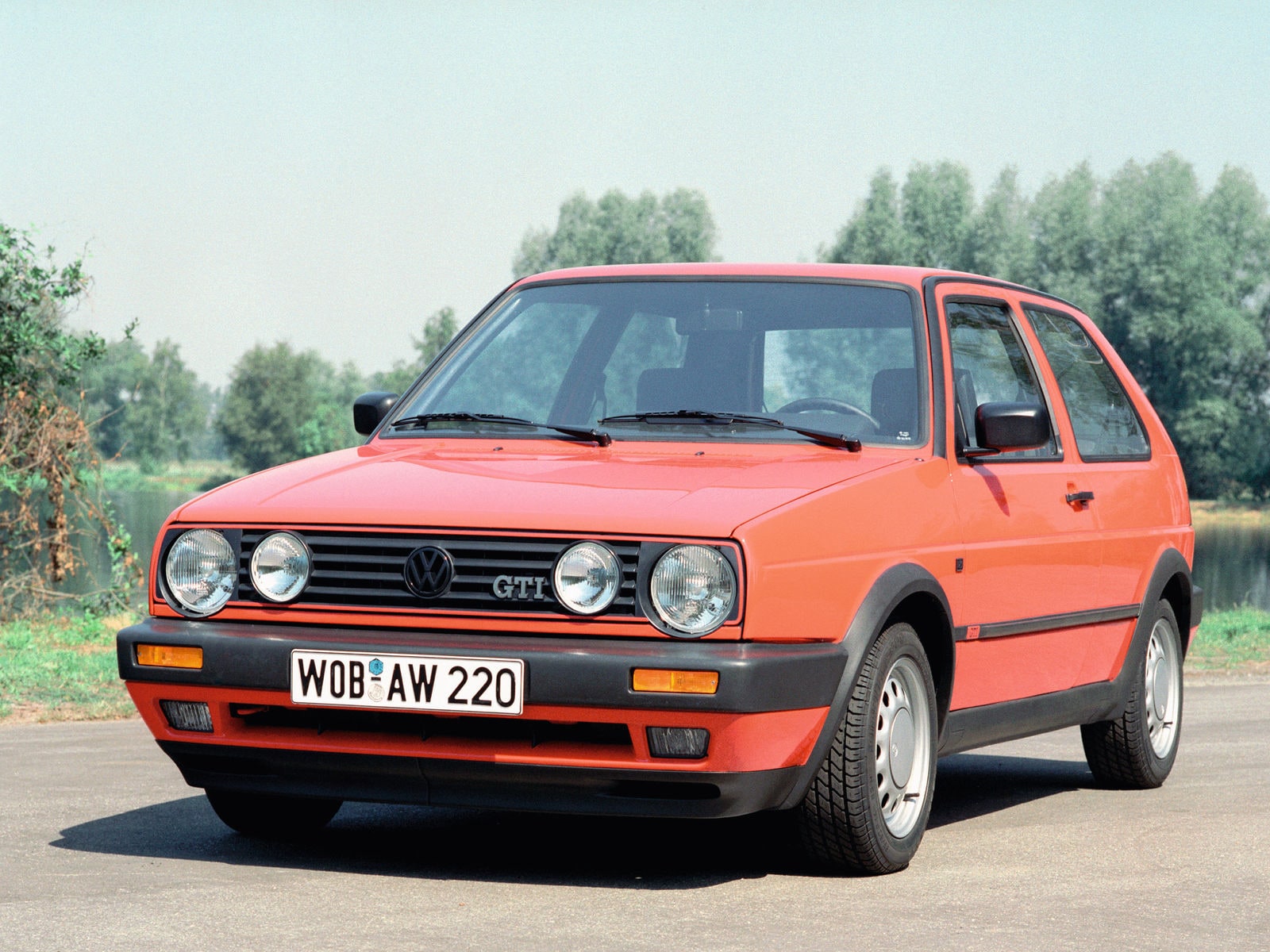
The Golf GTI continued evolving over the following decades. Power, modern technology and safety features increased, but the basic idea remained: offer sporting experiences in a car as ready for everyday use as for spirited driving on a favourite road.
Today, the Golf GTI spans eight generations and more than 2.5 million cars built. The letters GTI have become a symbol of the accessible sporting hatchback and an inspiration for the whole segment.
Fifty years of the same idea
The Golf GTI was not the world’s first sports car. It was, however, one of the first to deliver sporting character without compromising everyday usability. That made it a model for dozens of other cars and it remains one of the greatest automotive icons.
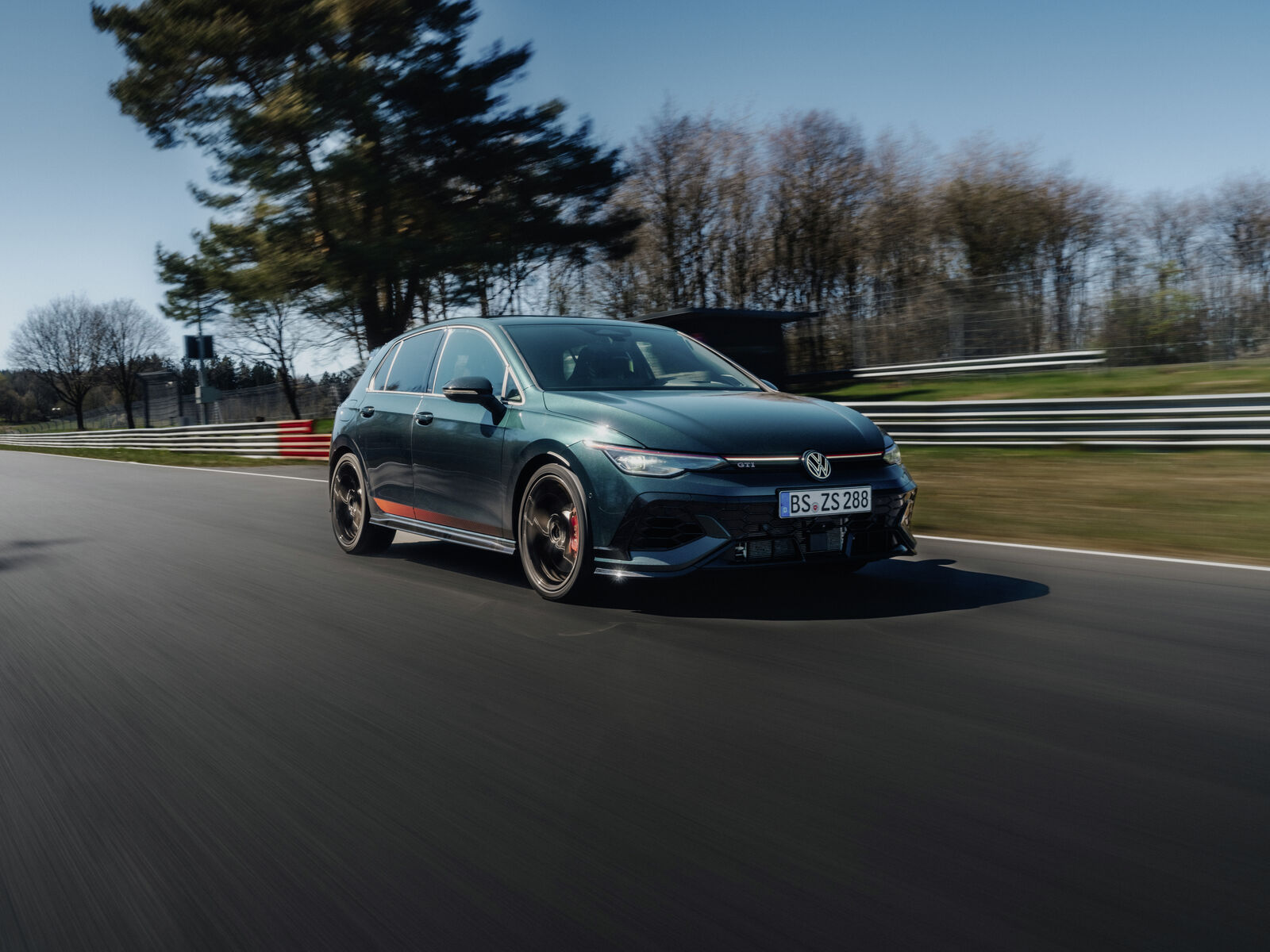
The modern Golf GTI offers several times the power of its 1976 predecessor while retaining the same character. It is not a supercar. It is a car that makes every journey enjoyable, which is why it has held its place among the legends for half a century.
The latest Golf GTI Edition 50 reminds us that, even after half a century, the original idea remains: offer sporting experiences in a car you can drive to work each day just as easily as to a favourite country road or racing circuit.
Celebrate 50 years of the Golf GTI at Speed Festival on 11–13 September
Fifty years of Golf GTI history show that sometimes one good idea is enough to create a legend. From the originally planned five thousand units to millions sold worldwide, the GTI remains a sporting hatchback that changed perceptions of an entire automotive segment.
At Speed Festival we will celebrate not only half a century of the GTI, but also its influence on car culture. Few cars have appealed to so many generations of drivers over fifty years and become an icon as relevant today as in 1976.
Photos: Volkswagen AG / Volkswagen Newsroom